
Learn about What Is Iptv in this complete guide.
Key Takeaways: IPTV (Internet Protocol Television) delivers live TV and on-demand content over your internet connection instead of traditional cable or satellite. You need three things: a stable internet connection (25+ Mbps recommended), an IPTV player app, and a playlist or subscription from a provider. IPTV works on Firestick, Android TV, Smart TVs, and more. If you are researching what is iptv, this guide covers everything you need to know. What Is Iptv This guide explains what is IPTV
Table of Contents
What is IPTV?
IPTV stands for Internet Protocol Television. It is a system that delivers television programming and video content over your internet connection instead of through traditional terrestrial, satellite, or cable formats.
Unlike conventional TV broadcasting that sends signals to everyone at once (broadcast), IPTV sends one stream at a time only when you request it (unicast). This means you can watch exactly what you want, when you want — similar to how Netflix or YouTube work, but focused on live television channels What Is Iptv.
The key difference between IPTV and traditional TV is the delivery method:
- Cable TV: Transmits signals through coaxial cables
- Satellite TV: Beams signals from satellites in orbit
- IPTV: Streams content through your internet connection using IP packets
This technology has grown rapidly because it offers more flexibility, often lower costs, and access to international channels that may not be available through local cable providers What Is Iptv.
How Does IPTV Work?
IPTV works by converting television signals into digital data packets that travel over the internet What Is Iptv. Here is the simplified process:
- Content Acquisition: The IPTV provider receives TV channels from broadcasters and converts them into digital format
- Encoding: Video is compressed using codecs like H.264 or H.265 to reduce bandwidth requirements
- Streaming Server: The encoded content is stored on servers that distribute streams to users on demand
- Playlist Delivery: Your IPTV provider gives you an M3U playlist URL or Xtream Codes to access their channel lineup
- IPTV Player: You enter this information into an IPTV player app like TiviMate, IPTV Smarters Pro, or Kodi
- Playback: The player decodes the stream and displays it on your screen
For a step-by-step walkthrough, check our IPTV for Beginners guide which covers the entire setup process from start to finish What Is Iptv.
IPTV vs Cable vs Streaming Services
Understanding how IPTV compares to other TV delivery methods helps you decide what is right for you.
| Feature | IPTV | Cable TV | Streaming Services (Netflix, Hulu) |
|---|---|---|---|
| Content Type | Live TV + On-Demand | Live TV | On-Demand Only |
| Monthly Cost | $10-$20/month | $50-$150/month | $8-$20/month |
| Channel Selection | 1,000-20,000+ channels | 100-500 channels | N/A (library-based) |
| Device Flexibility | Any device with internet | TV only (or cable box) | Any device with internet |
| Contract Required | Usually month-to-month | Often 1-2 year contract | Month-to-month |
| Internet Required | Yes (25+ Mbps) | No | Yes (5+ Mbps) |
IPTV strikes a balance between the live channel selection of cable and the flexibility of streaming services. For a deeper comparison, see our IPTV Streaming on Firestick guide.
What Do You Need for IPTV?
Getting started with IPTV requires three essential components:
1. Internet Connection
- Minimum: 25 Mbps for HD streaming
- Recommended: 50+ Mbps for 4K streaming
- Wired preferred: Ethernet is more stable than WiFi for IPTV
2. Compatible Device
IPTV works on virtually any device with an internet connection and a screen:
- Amazon Firestick and Fire TV devices
- Android TV boxes and smart TVs
- LG Smart TVs (webOS)
- Samsung Smart TVs (Tizen)
- Apple TV
- Nvidia Shield
- Roku (limited options)
- Smartphones and tablets
- PC and Mac computers
See our guide on best streaming devices for IPTV for detailed recommendations.
3. IPTV Player App
You need a player app to load your M3U playlist and display channels. Popular options include:
- TiviMate — Best overall experience with cable-like interface
- IPTV Smarters Pro — User-friendly with built-in EPG
- Kodi — Powerful but requires more setup
- OTT Navigator — Lightweight and fast
- GSE Smart IPTV — Cross-platform compatibility
4. IPTV Subscription or Playlist
You need a source of channels. This can be a paid subscription from a provider or a free public M3U playlist. Learn more in our guide to adding M3U playlists.
Types of IPTV Services
IPTV comes in several forms, and most providers offer a combination of these:
Live Television
Real-time broadcast of TV channels, just like traditional cable. You watch programs as they air, with no ability to pause or rewind (unless catch-up is available).
Video on Demand (VOD)
A library of movies, TV shows, and series you can watch at any time. This works like Netflix or Amazon Prime Video — browse, select, and start watching instantly.
Time-Shifted TV (Catch-Up)
Lets you watch previously aired programs for a limited time (usually 3-7 days after broadcast). You can start a show from the beginning even if you tuned in late.
Electronic Program Guide (EPG)
An interactive TV guide that shows what is currently playing and what is scheduled. Most IPTV players support EPG integration, giving you a cable-like browsing experience.
Is IPTV Legal?
The legality of IPTV depends entirely on the provider you use. IPTV technology itself is perfectly legal — many legitimate services use it, including Hulu Live TV, YouTube TV, and Sling TV.
There are two categories of IPTV providers:
- Licensed providers: These services have proper broadcasting rights for the content they offer. They are legal and operate within copyright law.
- Unlicensed providers: These services stream content without proper licensing. Subscribing to or using these services may have legal implications depending on your jurisdiction.
Always research a provider thoroughly before subscribing. We cover this topic in detail in our complete guide on IPTV legality and safety.
IPTV on Different Devices
One of IPTV’s biggest advantages is device flexibility. Here are setup guides for the most popular platforms:
- Firestick: Install KODIPTV Player on Firestick and our <a href="https://kodi-player Download Kodi IPTV Player on Google Play.com/iptv-streaming-firestick-guide/”>complete IPTV Firestick guide
- Android TV: IPTV on Android TV setup guide
- LG Smart TV: IPTV on LG Smart TV guide
- Roku: IPTV on Roku setup guide (with limitations)
- Kodi: Kodi IPTV Player guide
Common IPTV Troubleshooting
Even with a good setup, you may encounter issues. Here are quick fixes for common problems:
Buffering or Freezing
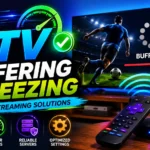
Try these steps in order: restart your router, lower streaming quality in settings, switch to Ethernet, or use a VPN if your ISP throttles streaming traffic. See our complete IPTV buffering fix guide.
Channels Not Loading
Check your playlist URL for typos, update your EPG source, or contact your provider to confirm the server is online. Clear your app cache and restart the device.
EPG Not Showing
EPG data sometimes takes a few minutes to load after first setup. Verify your EPG URL is correct and try manually refreshing the guide in your player app.
Poor Video Quality
Check your internet speed, ensure you have selected the right stream quality in your player settings, and try a different server or connection method.
Frequently Asked Questions
Is IPTV free?
Some IPTV services are free, but free options are limited, often unreliable, and may have questionable legality. Paid IPTV subscriptions typically cost between $10-$20 per month and offer better reliability, support, and channel selection.
What internet speed do I need for IPTV?
For standard definition streams, 10 Mbps is sufficient. For HD streams, aim for 25 Mbps. For 4K IPTV, you need at least 50 Mbps. These speeds should be per device — if multiple people stream simultaneously, you need more bandwidth.
Can I watch IPTV on multiple devices?
Most IPTV providers allow connections from multiple devices, but the number varies. Some offer 1-2 simultaneous connections, while others allow unlimited. Always check with your provider before subscribing.
Do I need a VPN for IPTV?
A VPN is recommended for IPTV for two reasons: it prevents ISP throttling (some ISPs slow down streaming traffic) and protects your privacy. See our guide on best VPNs for Firestick IPTV for recommendations.
What is the best IPTV player?
TiviMate is widely considered the best IPTV player for its cable-like interface, EPG support, and customization options. IPTV Smarters Pro is a great alternative for beginners. Kodi is the most powerful option but requires more setup.
Frequently Asked Questions
What is IPTV in simple terms?
IPTV stands for Internet Protocol Television, which delivers TV channels and video content over your internet connection instead of traditional cable, satellite, or antenna signals.
How does IPTV work?
IPTV works by streaming video data in small packets over your internet connection. Your IPTV app receives these packets, decodes them, and displays live channels on your screen in real time.
Is IPTV better than cable TV?
IPTV offers more flexibility, lower costs, and access to international channels compared to cable TV. However, it requires a stable internet connection for reliable performance.
{
“@context”: “https://schema.org”,
“@type”: “FAQPage”,
“mainEntity”: [
{
“@type”: “Question”,
“name”: “What is IPTV in simple terms?”,
“acceptedAnswer”: {
“@type”: “Answer”,
“text”: “IPTV stands for Internet Protocol Television, which delivers TV channels and video content over your internet connection instead of traditional cable, satellite, or antenna signals.”
}
},
{
“@type”: “Question”,
“name”: “How does IPTV work?”,
“acceptedAnswer”: {
“@type”: “Answer”,
“text”: “IPTV works by streaming video data in small packets over your internet connection. Your IPTV app receives these packets, decodes them, and displays live channels on your screen in real time.”
}
},
{
“@type”: “Question”,
“name”: “Is IPTV better than cable TV?”,
“acceptedAnswer”: {
“@type”: “Answer”,
“text”: “IPTV offers more flexibility, lower costs, and access to international channels compared to cable TV. However, it requires a stable internet connection for reliable performance.”
}
}
]
}
{“@context”:”https://schema.org”,”@type”:”FAQPage”,”mainEntity”:[{“@type”:”Question”,”name”:”What is IPTV in simple terms?”,”acceptedAnswer”:{“@type”:”Answer”,”text”:”IPTV stands for Internet Protocol Television, which delivers TV channels and video content over your internet connection instead of traditional cable, satellite, or antenna signals.”}},{“@type”:”Question”,”name”:”How does IPTV work?”,”acceptedAnswer”:{“@type”:”Answer”,”text”:”IPTV works by streaming video data in small packets over your internet connection. Your IPTV app receives these packets, decodes them, and displays live channels on your screen in real time.”}},{“@type”:”Question”,”name”:”Is IPTV better than cable TV?”,”acceptedAnswer”:{“@type”:”Answer”,”text”:”IPTV offers more flexibility, lower costs, and access to international channels compared to cable TV. However, it requires a stable internet connection for reliable performance.”}}]}